West City by Vajra Urban Living, Elevated.

West City by Vajra

Urban Living, Elevated.

Latest Articles

Ambient Noise and the Architecture of Quiet: What Urban Developers Still Get Wrong
Urban Living & Design

Ambient Noise and the Architecture of Quiet: What Urban Developers Still Get Wrong

In the competition for urban residents, developers have invested heavily in visible amenities while largely ignoring the one quality that most directly affects daily wellbeing: silence. This investigation examines the neuroscience of chronic low-level noise exposure, separates genuine acoustic engineering from marketing performance, and offers a practical framework for evaluating how quiet a building truly is before you commit to a lease.
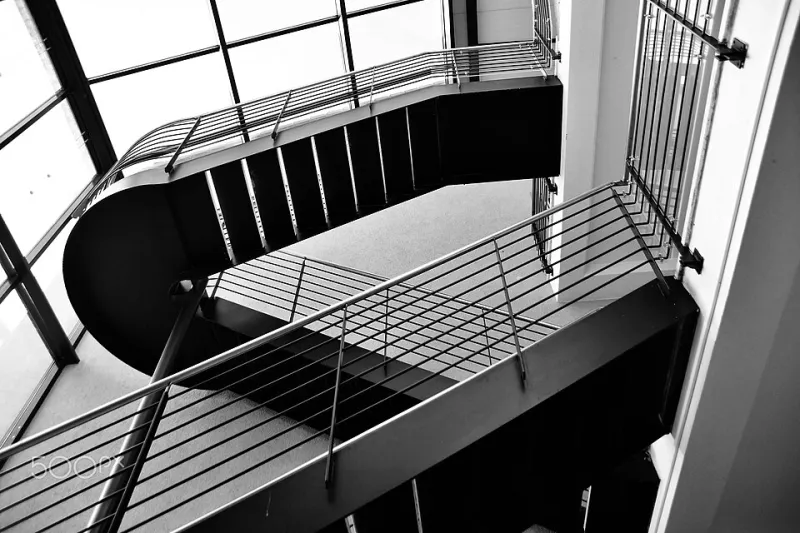
Hidden in Plain Sight: What Secondary Circulation Spaces Reveal About a Building's True Character
Urban Living & Design

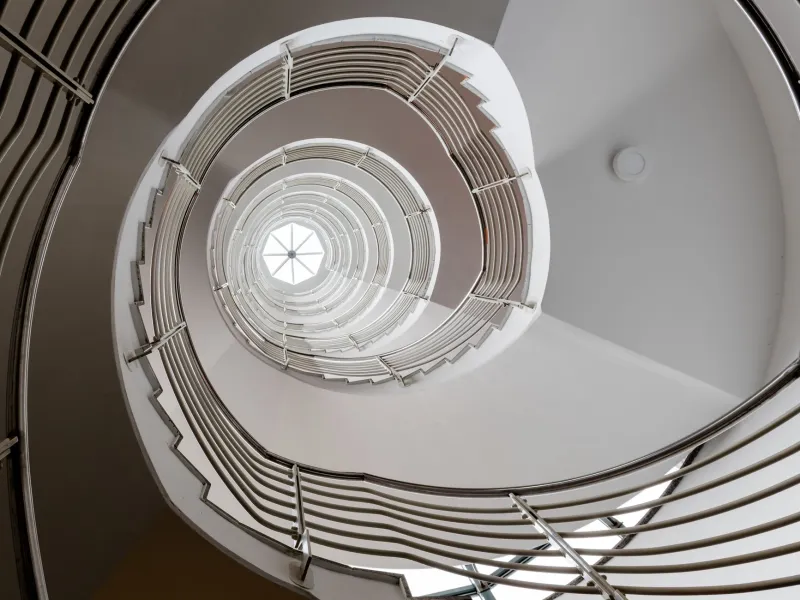
Hidden in Plain Sight: What Secondary Circulation Spaces Reveal About a Building's True Character

In the hierarchy of urban residential design, stairwells and secondary corridors are rarely the subject of marketing materials or architectural awards. Yet these overlooked spaces—the ones residents encounter daily under the least glamorous circumstances—may be the most honest measure of a developer's genuine commitment to resident dignity.

Urban Living & Design

From Code Requirement to Coveted Feature: The Architectural Reinvention of the Urban Stairwell

Emergency stairwells have long occupied the most neglected corners of urban residential buildings—concrete corridors of bare utility, visited only under duress. That arrangement is changing. A growing number of premium developments are treating these vertical passages as meaningful design territory, transforming what was once an afterthought into one of the most quietly compelling spaces in the building.

What the Back Stairs Tell You: Emergency Egress as a Mirror of Developer Integrity
Urban Living & Design

What the Back Stairs Tell You: Emergency Egress as a Mirror of Developer Integrity

A building's lobby may be draped in imported marble, but its stairwells tell a more honest story. How developers design, maintain, and resource emergency egress systems reveals far more about their true priorities than any amenity package—and increasingly, discerning urban residents are paying attention.

Market Trends & Analysis

The Workforce Behind the Window: When Urban Prosperity Displaces the People Who Sustain It

The doorman who greets you each morning, the nurse who staffs the clinic two blocks away, the line cook who prepares your dinner—none of them can afford to live within five miles of where they work. This structural contradiction sits at the heart of American urban real estate, and its consequences extend far beyond matters of fairness.

Decibels and Dollars: How Acoustic Performance Is Becoming a Primary Driver of Urban Property Value
Market Trends & Analysis

Decibels and Dollars: How Acoustic Performance Is Becoming a Primary Driver of Urban Property Value

Noise pollution has long been dismissed as an unavoidable cost of urban living, but mounting scientific evidence and shifting renter behavior are forcing developers and investors to reckon with acoustic quality as a serious valuation metric. Buildings that treat sound as an afterthought are increasingly losing ground to those that engineer quietude into their foundations. The financial case for superior soundproofing is no longer theoretical — it is appearing in lease premiums, retention rates,

Shells and Promises: The Difficult Truth Behind Office-to-Residential Conversions
Market Trends & Analysis

Shells and Promises: The Difficult Truth Behind Office-to-Residential Conversions

The post-pandemic cityscape is littered with vacant office towers that developers and municipal governments alike have eyed as ready-made housing stock. But the structural and financial realities of adaptive reuse are far more unforgiving than the headlines suggest, and a growing number of costly missteps are forcing the industry to reckon with which buildings can actually be saved—and which were never viable candidates to begin with.

Borrowed Memory: How New Urban Developments Are Wearing the Faces of the Neighborhoods They've Replaced
Urban Living & Design

Borrowed Memory: How New Urban Developments Are Wearing the Faces of the Neighborhoods They've Replaced

Across American cities, newly constructed residential buildings are increasingly adorned with murals, reclaimed brick, and archival photography drawn from the neighborhoods they have irrevocably transformed. The intent is presented as homage, but the effect is more complicated—raising serious questions about whether design nostalgia constitutes genuine cultural stewardship or a polished form of erasure. This piece examines the architecture of memory and what it costs when a building's aesthetic

First Impressions, Lasting Hierarchies: What Lobby Design Reveals About Power in Urban Residential Buildings
Urban Living & Design

First Impressions, Lasting Hierarchies: What Lobby Design Reveals About Power in Urban Residential Buildings

The lobby of a modern urban residential building is rarely just a passageway. Through deliberate architectural choices—desk placement, lighting, security systems, and spatial flow—developers encode social expectations into the very first room a resident or visitor encounters. Understanding these signals is essential for anyone navigating, investing in, or designing urban housing today.

When the Building Has No Face: The Corporate Takeover of Urban Residential Ownership
Market Trends & Analysis

When the Building Has No Face: The Corporate Takeover of Urban Residential Ownership

Institutional investors, REITs, and private equity firms now control a growing share of American urban housing stock—and their ascent is quietly rewriting the rules of tenancy, maintenance, and neighborhood power. Understanding what this consolidation means for residents requires looking well beyond the bottom line.

Lease Beneath the Lease: The Parallel Rental Markets Taking Shape Inside Urban Residential Buildings
Market Trends & Analysis

Lease Beneath the Lease: The Parallel Rental Markets Taking Shape Inside Urban Residential Buildings

Subletting, short-term arrangements, and informal room-sharing have quietly assembled a shadow rental economy within the walls of urban residential buildings. What began as a tenant workaround is now compelling property managers and developers to reconsider the fundamental architecture of the modern lease—and the value structures built around it.

The Eight-to-Fifteen Advantage: How Mid-Rise Residential Buildings Are Rewriting Urban Real Estate Economics
Market Trends & Analysis

The Eight-to-Fifteen Advantage: How Mid-Rise Residential Buildings Are Rewriting Urban Real Estate Economics

While glass towers continue to dominate skyline conversations, a quieter revolution is unfolding at a more modest scale. Mid-rise residential buildings—those occupying the eight-to-fifteen story range—are consistently outperforming their taller counterparts across resident satisfaction metrics, investment returns, and neighborhood compatibility. The data is beginning to catch up with what experienced urban developers have long suspected: height is not a proxy for value.

Gilded Distractions: How the Race for Exotic Amenities Is Obscuring What Urban Residents Actually Need
Urban Living & Design

Gilded Distractions: How the Race for Exotic Amenities Is Obscuring What Urban Residents Actually Need

Across American cities, residential developers are installing everything from cold plunge pools to in-building recording studios in a bid to stand apart in a crowded market. But as amenity lists grow longer and stranger, a more pressing question emerges: are these additions genuinely improving urban life, or are they elaborate stage dressing that diverts attention—and capital—from the fundamentals that actually sustain a building's value?

Invested Without Deed: The Hidden Stakes of Long-Term Urban Renting
Urban Living & Design

Invested Without Deed: The Hidden Stakes of Long-Term Urban Renting

Urban renters routinely pour years of emotional energy, social capital, and discretionary spending into neighborhoods they have no legal claim to — a dynamic that reveals a profound tension at the heart of American city life. When housing is treated as a transaction rather than a relationship, the costs extend far beyond the balance sheet. Understanding this unspoken contract between residents and their communities is essential to building cities that function with genuine integrity.

Resident-to-Resident: How Urban Buildings Are Quietly Becoming Economic Ecosystems
Urban Living & Design

Resident-to-Resident: How Urban Buildings Are Quietly Becoming Economic Ecosystems

Beneath the curated amenities and polished lobbies of modern urban residential buildings, a quieter economy is taking shape—one built on neighbor-to-neighbor exchange, informal skill-sharing, and grassroots mutual support. Developers are only beginning to reckon with whether their designs enable or obstruct these organic networks. The buildings that get this right may hold a significant competitive advantage.

Vertical Passage: What the Elevator Reveals About Power, Privacy, and Social Order in Urban Residential Buildings
Urban Living & Design

Vertical Passage: What the Elevator Reveals About Power, Privacy, and Social Order in Urban Residential Buildings

The elevator is among the most intimate shared spaces in any residential high-rise, yet it receives a fraction of the design attention lavished on lobbies and amenity floors. How buildings move their residents—who shares a cab, how long they wait, and which floors are accessible to whom—quietly encodes a social architecture that shapes daily life in ways few developers openly acknowledge.

Floor by Floor: The Real Math Behind Vertical Premiums in Urban Residential Real Estate
Market Trends & Analysis

Floor by Floor: The Real Math Behind Vertical Premiums in Urban Residential Real Estate

Upper-floor units have long commanded a price premium that developers and brokers treat as self-evident. But when the numbers are examined carefully, the relationship between elevation and value is far more complicated—and far more conditional—than the marketing materials suggest.

Character Over Curated: Why Authentic Urban Neighborhoods Are Outperforming the Developer's Vision of Community
Market Trends & Analysis

Character Over Curated: Why Authentic Urban Neighborhoods Are Outperforming the Developer's Vision of Community

The mixed-use development playbook—ground-floor retail, a rooftop bar, a curated food hall—has become so familiar that it has ceased to signify anything. Younger urban residents, increasingly literate in the language of manufactured place-making, are directing their housing dollars toward neighborhoods that evolved organically, with independent businesses, layered history, and genuine community friction intact. The data on long-term appreciation and resident satisfaction in these areas is making

Density and the Mind: How Urban Architecture Is Finally Confronting the Psychological Cost of City Living
Urban Living & Design

Density and the Mind: How Urban Architecture Is Finally Confronting the Psychological Cost of City Living

Emerging research is drawing a clearer line between high-density urban environments and measurable declines in resident wellbeing—from elevated cortisol levels to chronic sleep disruption. Forward-thinking developers are now responding with spatial strategies that treat mental health not as a marketing afterthought but as a structural imperative. The buildings commanding the highest premiums in this new landscape share one defining characteristic: they were designed with the nervous system in mi

The Urban Convenience Paradox: When a Prime Address Becomes a Liability
Market Trends & Analysis

The Urban Convenience Paradox: When a Prime Address Becomes a Liability

The most walkable, transit-rich urban addresses in America carry a price premium that many buyers accept without scrutiny—but accumulating data on buyer satisfaction, noise complaints, and resale velocity suggests the trade-offs are more significant than developers typically acknowledge. A rigorous examination of the externalities embedded in downtown living challenges some of the most durable assumptions in urban real estate.